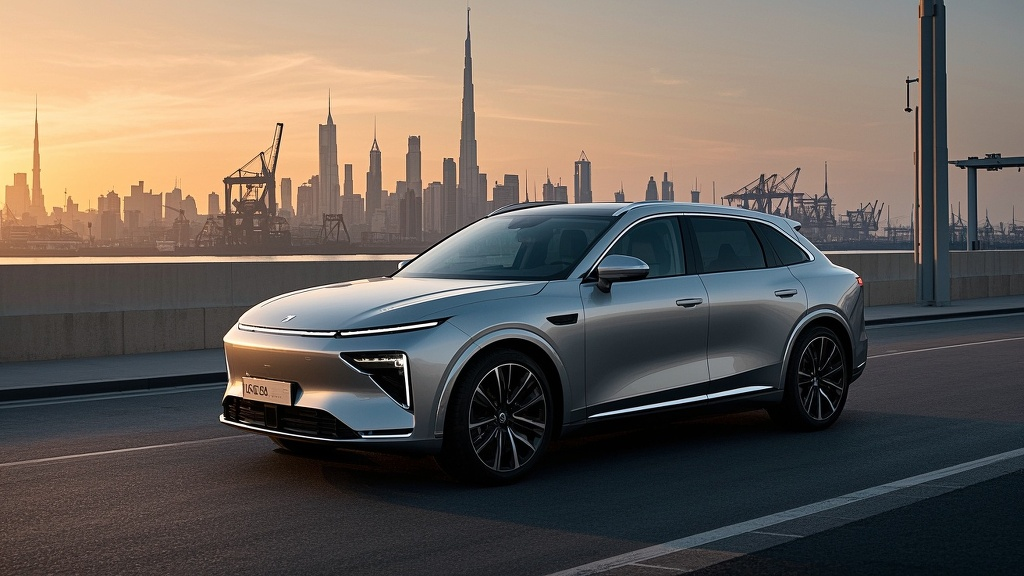
BYD BYD Qin PLUS 2024 Export Outlook to Kenya
BYD BYD Qin PLUS 2024 Export Outlook to Kenya
The BYD Qin PLUS 2024 sits at the intersection of Kenya’s accelerating demand for efficient sedans and the country’s pragmatic shift toward lower total cost of ownership. Ride-hailing fleets, SME operators, and provincial business users are recalibrating purchase decisions around fuel savings, uptime, and predictable maintenance, not just sticker price. With wholesale CIF export solutions out of Guangzhou to Mombasa Port, the Qin PLUS offers a data-backed pathway to expand portfolios while reducing operational risk.
I. Kenya Market Overview
Import dynamics in Kenya favor models that balance economy with durability. The market remains price-sensitive, yet increasingly analytical: buyers are comparing lifecycle fuel costs, parts availability, and resale value against upfront capital. Chinese brands have gained traction by supplying consistent volumes, responsive parts pipelines, and competitive financing options via local distributors. BYD, with proven hybrid and EV platforms in China and overseas, has moved from trial fleets to structured rollouts in East Africa as procurement teams validate real-world consumption rates and standardized maintenance routines.
In this environment, compact sedans with reliable fuel economy and comfortable cabins are seeing renewed interest—especially for urban corridors between Nairobi, Mombasa, and Kisumu, and for intercity routes with mixed road conditions. Importers prioritize transparent CIF quoting, compliance with Kenya’s PVoC/CoC requirements, and predictable lead times. Logistics choices—RoRo versus container—are increasingly framed by damage risk and handling costs rather than freight rates alone.
II. Model Highlights: BYD Qin PLUS 2024
The Qin PLUS’s value proposition aligns with Kenya’s operating realities: conservative fuel usage, practical cabin space, and components validated in high-volume Chinese fleets. Below is a concise view of attributes relevant to B2B procurement.
| Feature | Kenya Relevance | Notes |
|---|---|---|
| Fuel Efficiency | Lower daily fuel outlay; suited for ride-hailing and SME fleets | DM-i hybrid architecture optimized for urban stop-go; EV variants available for pilot fleets |
| Cabin Space | Comfort for long commutes; good rear-seat legroom | Practical sedan layout; trunk volume adequate for luggage and trade goods |
| Price & TCO | Competitive CIF range supports ROI within 18–36 months | CIF $14,500–$20,500 targets fleet budgets; low routine service costs |
| Durability | Resilient under mixed road conditions | Suspension tuning for urban-rural transitions; spares pipeline via Guangzhou |
For procurement teams, the Qin PLUS’s hybrid and EV options enable staged energy transitions: hybrid for immediate savings in fuel-intensive duty cycles; EV for controlled pilots with depot charging. The parts ecosystem is mature owing to high domestic volumes in China, translating to stable supply for frequently replaced components.
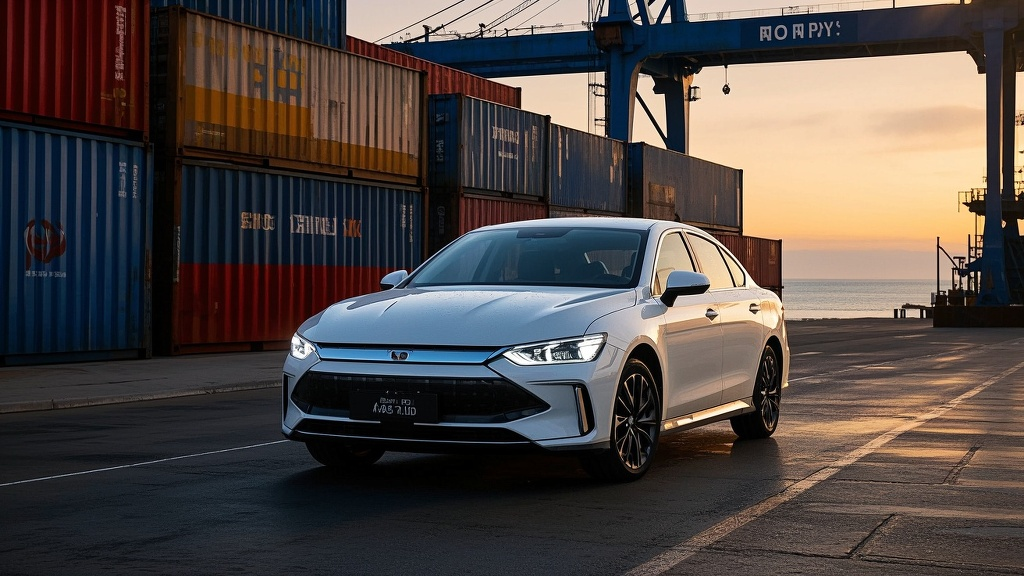
III. Price Analysis: CIF to Mombasa Port
Reference export pricing for the BYD Qin PLUS 2024 is positioned at $14,500–$20,500 CIF to Mombasa Port from Guangzhou. This range reflects trim configurations, powertrain selection (hybrid versus EV), shipping method (RoRo or container), and seasonal freight variations. In B2B terms, buyers should evaluate not only the CIF quote but also the landed cost under Kenya’s tariff framework.
Key cost elements commonly applied in Kenya include: Import Duty around 25% (typically on customs value), VAT at 16%, Excise Duty that varies by engine capacity and energy type (often 10–20% for passenger vehicles; hybrid and EV policies may be subject to periodic updates), Import Declaration Fee (IDF) approximately 3.5%, and Railway Development Levy (RDL) around 1.5%. Precise applicability depends on HS code classification and the latest Kenya Revenue Authority guidance.
A practical approach is to model landed cost scenarios using the CIF midpoint, then stress test for worst-case tax assumptions. For example, at a CIF of $17,500, adding indicative IDF and RDL yields a customs value baseline for duty computation. Excise Duty is then layered, and VAT is assessed on the aggregated taxable amount. Buyers should run two models: one with conservative excise (e.g., 20%) and another with a lower excise scenario aligned to engine capacity or hybrid classification. This sensitivity analysis ensures budget resilience against policy updates.
Wholesale buyers typically negotiate volume rebates, parts packages, and warranty terms that effectively lower total cost per vehicle by spreading maintenance savings over 24–36 months. Fleet insurance premiums for new sedans in Kenya remain manageable; however, consider telematics adoption to reduce incident rates and strengthen resale values.
IV. Logistics and Supply Chain: Guangzhou to Mombasa Port
Export operations follow a structured process designed to minimize timeline variance and quality risk: model selection and specification locking, pre-shipment inspection aligned with Kenya’s PVoC requirements, compliance documentation (CoC), vessel booking, and cargo consolidation. Guangzhou export yards are equipped for fleet staging, vehicle health checks, and accessory fitment (e.g., telematics, seat covers, tracking units) ahead of port gate-in.
Shipping method is selected based on risk profile and budget. RoRo offers lower handling costs and faster port operations but provides less protection than containers. Containerization reduces cosmetic risks and can bundle spare parts in the same shipment. Typical sea transit from South China load ports to Mombasa is approximately 25–35 days depending on route and carrier schedules. Handling time before sailing is normally 5–7 days post-document finalization.
Upon arrival, port handling and customs clearance are coordinated with appointed brokers familiar with KRA processes and motor vehicle HS codes. Documentation includes commercial invoice, packing list, bill of lading, and CoC. For fleet rollouts, staggered arrivals minimize yard congestion and balance registration workflows. Post-clearance, units can be delivered to Nairobi or regional centers using car carriers or driven transfer, depending on cost and timing considerations.
V. Cooperation Models and Recommendations
We operate under CIF export and wholesale structures tailored for Kenyan distributors and fleet managers. Distributor agreements typically articulate minimum order quantities per quarter, service training packages, and shared marketing responsibilities. For fleet buyers, batch orders can be phased with progressive payment schedules. Common terms include T/T deposits with balance against BL, or LC at sight for institutional buyers. Pre-shipment audits (virtual or on-site) are encouraged.
Recommendations for partners include building a parts buffer for high-turn items (filters, brake pads, sensors), deploying standardized service intervals to protect warranties, and piloting telematics to reduce fuel waste and incident costs. Consider the hybrid variant as a baseline for immediate operational savings, with EV pilots in controlled depot-charging environments. To align stakeholders, we invite Kenyan distributors and institutional buyers to our Guangzhou export base for test drives, PVoC preparation walkthroughs, and supply chain audits.
VI. Conclusion: Stability and Credibility in a Changing Market
Kenya’s sedan market is re-rating value around TCO and reliability. The BYD Qin PLUS 2024 integrates these priorities by offering measured fuel efficiency, practical comfort, and predictable parts availability. China’s manufacturing scale and logistics coordination enable stable supply even under freight volatility. For distributors, the opportunity lies in turning operational savings into competitive positioning across ride-hailing, corporate fleets, and SME segments. Our platform’s credibility rests on transparent pricing, compliance discipline, and continuous post-sale support.
Contact us or visit our Guangzhou export base.
VII. Frequently Asked Questions
- What is the typical lead time from order to Mombasa arrival? Standard lead time is 30–45 days, including 5–7 days handling and 25–35 days sea transit, subject to carrier schedules and compliance checks.
- Which trims are recommended for Kenya? Fleet-oriented trims in the Qin PLUS hybrid are preferred for predictable fuel savings and straightforward maintenance; EV trims suit pilot programs with depot charging.
- How are warranty and parts handled? Warranty terms are defined per batch contract; parts pipelines are staged in Guangzhou with recommended buffer stock in Kenya for fast movers to maintain uptime.
- What documents are required for customs clearance? Commercial invoice, packing list, bill of lading, and certificate of conformity under Kenya’s PVoC framework; HS code alignment is coordinated with brokers.
- Can financing be arranged for distributors? We support structured payment terms (T/T, LC) and can coordinate with local finance partners via distributors; specifics depend on buyer profile and volume.
For more information, you can contact us. jiasou666@gmail.com
相关文章