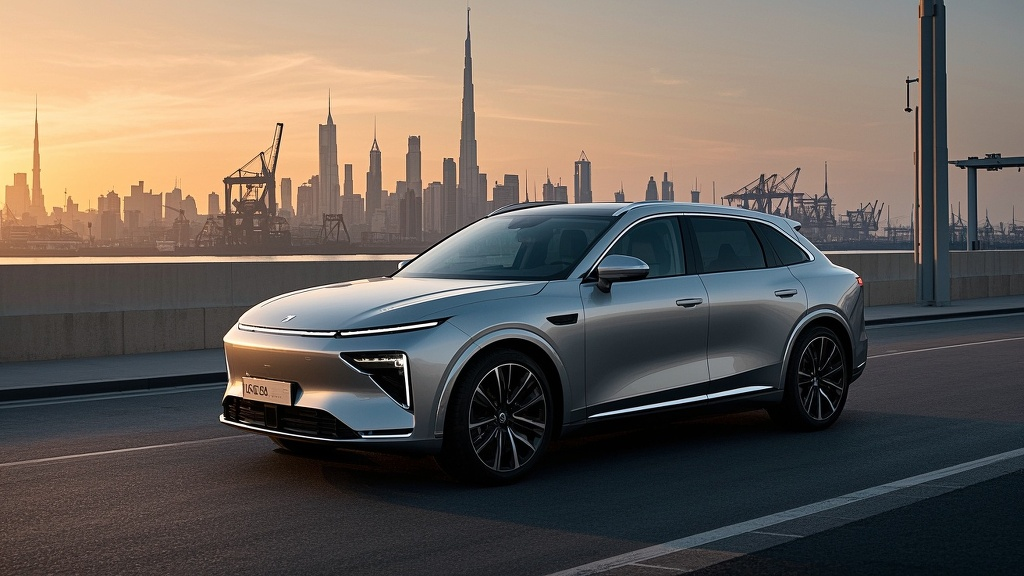
BYD Qin PLUS 2024 Kenya Export Outlook: CIF Mombasa, Wholesale from Guangzhou
BYD Qin PLUS 2024 Kenya Export Outlook: CIF Mombasa, Wholesale from Guangzhou
中文译名:比亚迪秦 PLUS 2024
Kenya’s passenger-car buyers, from Nairobi fleet operators to coastal ride-hailing drivers, continue shifting toward high-efficiency sedans that minimize total cost of ownership and reduce exposure to volatile fuel prices. Within this context, the BYD Qin PLUS 2024, available in HEV/PHEV (DM-i) and full EV configurations, fits the Kenya market’s practicality-first logic: predictable running costs, durable components, and a price range that sits below traditional Japanese nameplates when land-cost is normalized. CIF Mombasa offered between $16,500–$21,500 from Guangzhou forms a competitive baseline for distributors planning volume imports under wholesale frameworks.
I. Market Overview: Kenya’s Demand Structure and China Import Momentum
Kenya’s light-vehicle market is characterized by a high share of used imports and a pragmatic approach to fleet renewal. New-vehicle imports remain sensitive to tax structure and financing availability, yet the operational economics of efficient sedans have been reshaped by two forces: elevated petrol prices and the gradual rollout of Kenya’s charging infrastructure backed by utility and private landowners. Fleet buyers prioritize stable TCO: reliable parts supply, lower fuel or electricity spend, and predictable maintenance intervals.
China-origin vehicles have gained traction due to value-density—feature sets per dollar—and improved durability standards. Importers report smoother parts availability and better electronic system reliability versus legacy perceptions. For electrified drivetrains, Kenya’s urban duty cycles—short commutes, moderate speeds, frequent stops—favor hybrids and EVs that outperform conventional ICE in fuel efficiency. While charging infrastructure is uneven outside metro hubs, a DM-i hybrid mitigates range anxiety while preserving electric-mode advantages.
Policy signals (e.g., incentives or revised excise logic for electrified vehicles) are fluid; the directional trend favors cleaner mobility and reduced import-age thresholds. Distributors aiming at corporate fleets, SACCOs, and ride-hailing aggregators find that a mid-size sedan with efficient powertrains is the realistic bridge from ICE to electrified operation.
II. Model Highlights: Qin PLUS 2024 Fit for Kenya Use-Cases
From a B2B standpoint, four attributes define the Qin PLUS value proposition: fuel/energy efficiency under urban duty cycles, cabin and cargo usability for fleet work, predictable pricing that compresses payback periods, and durability to withstand Kenya’s mixed road quality.
| Feature | Kenya Relevance | Notes |
|---|---|---|
| High Efficiency (DM-i / EV) | Cuts fuel spend for urban fleets; mitigates price volatility | DM-i hybrid reports low urban fuel use; EV variant eliminates petrol cost where charging is viable |
| Cabin & Boot Usability | Comfort for drivers + room for luggage or equipment | Mid-size sedan layout, ample rear legroom and sizable trunk, suitable for airport transfers |
| Price-to-Feature Ratio | Faster payback vs. legacy brands at similar spec | CIF $16,500–$21,500 enables competitive retail pricing post-duty |
| Durability & Parts | Handles mixed road conditions, spares pipeline | Improved chassis robustness; planned spares stocking via Guangzhou supply chain |
Efficiency detail: PHEV (DM-i) typically delivers significant fuel savings in stop-and-go conditions thanks to electric-assisted drive and intelligent engine management. EV variants suit operators with depot or home charging; urban use reduces TCO if tariffs and charging schedules are optimized. Space: Qin PLUS’s interior is configured for daily comfort, with trunk capacity sufficient for luggage or equipment common to Nairobi airport routes and corporate fleets.
III. Price Analysis: CIF Range and Duty References
Offered CIF Mombasa: $16,500–$21,500 for 2024 BYD Qin PLUS units exported from Guangzhou. CIF includes: ex-works/FOB vehicle cost, ocean freight (Ro-Ro or container), and marine insurance. The range reflects trim levels, powertrain (DM-i vs EV), and shipping mode seasonality.
Indicative breakdown for planning (non-binding, subject to quotation and prevailing rates):
- FOB Guangzhou: generally aligned with model/trim; lower trims for fleet often anchor the lower bound.
- Ocean Freight + Insurance: variable by sailing window, space availability, and whether container (40HQ) or Ro-Ro is selected.
- CIF Mombasa Target Window: $16,500–$21,500.
Kenya tax and fee references (illustrative, verify with your clearing agent as policy updates occur):
- Import Duty: often benchmarked around 25% of customs value for passenger vehicles (exceptions may apply for certain electrified categories).
- VAT: commonly 16% applied on the taxable base after duty and excise; computation sequence matters.
- Excise Duty: rate depends on vehicle category/engine capacity and may differ for hybrids/EVs; consult current schedules.
- IDF (Import Declaration Fee): often around 3.5% of customs value.
- RDL (Railway Development Levy): often around 2% of customs value.
Planning approach for distributors: run scenarios at CIF midpoint (e.g., $18,500) and model landed cost with bands. For a hybrid under 2.0L, landed tax/fee load may sit roughly within 30–45% of CIF; for certain EV classes, total levy could be lower depending on current policy. Because excise logic and classification impact outcomes materially, stress-test pricing across three cases—DM-i hybrid standard trim, DM-i premium trim, and full EV—to gauge retail targets. This de-risks margin planning and avoids overexposure on first shipments.
Note: Documentary compliance (KEBS/Pre-Export Verification where applicable), age limits, and emissions standards influence eligibility and costs. We recommend confirming with a licensed Kenyan clearing agent before final invoicing.
IV. Logistics & Supply Chain: Guangzhou to Mombasa Port
Movement from Guangzhou follows a structured export workflow minimizing dwell time and ensuring traceability:
- Unit Preparation & QC: pre-delivery inspection, battery health checks (for EV/PHEV), firmware validation, and spares kit allocation if ordered.
- Regulatory & Compliance: preparation of commercial invoice, packing list, Certificate of Origin; KEBS-related pre-export conformity inspection where required, and insurance binding.
- Port Handling in South China: vehicles staged at designated yards; booking on Ro-Ro vessel or loading in 40HQ containers depending on dealer preference. Ro-Ro simplifies handling; containerization can benefit mixed cargo shipments.
- Transit: typical sea time to Mombasa ~25–35 days depending on carrier, transshipment points, and sailing schedule stability. Peak season may affect space and timing.
- Arrival & Clearance: customs entry, duty/levy settlement, port release. Subsequent inland movement to Nairobi or regional hubs arranged via trusted transporters.
- After-Sales Supply: ongoing replenishment of wear items (brake pads, filters), body parts, and electronics modules stockpiled in Guangzhou with batch shipments aligned to dealer forecasts.
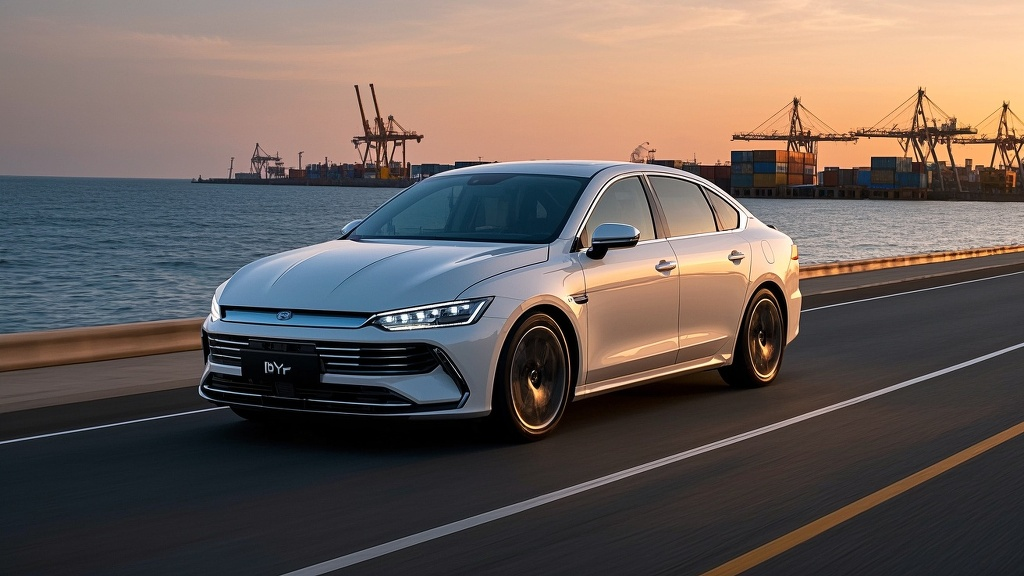
Operational considerations: schedule buffering against vessel rollovers, allocate sufficient lead time for KEBS documentation, and structure batch sizes to balance warehouse costs with dealer sell-through velocity. For EV variants, plan charger procurement and installation (depot/office sites) in parallel to avoid delivery-to-operation gaps.
V. Collaboration Models & Recommendations
Transaction Type: CIF export, wholesale. Recommended pathways for Kenya partners:
- Wholesale CIF Mombasa: minimum order quantities set to optimize freight. Typical MOQs can be discussed (e.g., 6–12 units per batch for container consolidation or yard-based Ro-Ro aggregation).
- Payment Terms: T/T with deposit and balance against shipping documents; LC at sight for established partners. Escalate to framework agreements for quarterly shipments to lock pricing windows.
- Variant Strategy: start with DM-i hybrid for broad usability; introduce EV trims to fleets with captive charging. This staged approach reduces operational risk.
- Technical & Sales Training: provide model-specific training and digital service manuals; initial onsite training can be arranged in Guangzhou prior to shipment.
- Visit & Validation: we invite dealers/distributors to visit our Guangzhou export base for unit inspection, parts catalog review, and logistics planning workshops.
Recommendation: run a pilot fleet (e.g., 10–20 units) across contrasting duty cycles—airport transfer, urban ride-hailing, corporate mobility—and monitor fuel/energy savings. Use month-one and month-three operational data to refine variant mix and accessories (e.g., floor mats, seat covers, charging cables).
VI. Closing: Supply Chain Stability & Platform Credibility
Consistency of allocations, predictable lead times, and disciplined documentation are the differentiators in Kenya’s current import environment. BYD Qin PLUS 2024 aligns with the market’s practicality metrics, while the Guangzhou supply node enables stable cadence on vehicles and spares. Our export platform maintains multi-carrier contracts, contingency loading options, and compliance oversight to minimize exceptions. For distributors building a multi-year plan with hybrid and EV sedans, this stability is as valuable as headline pricing.
Contact us or visit our Guangzhou export base.
VII. Frequently Asked Questions
- Q1: What is the typical lead time from deposit to arrival in Mombasa? A: Production allocation and pre-export prep usually take 2–3 weeks; sea transit 25–35 days. Plan 6–9 weeks door-to-port, subject to vessel schedules and inspections.
- Q2: Which variants are recommended for Kenya—DM-i or EV? A: For broad fleets, DM-i (hybrid) minimizes dependency on charging while delivering strong fuel savings. EV variants work well for depot-based operations with nightly charging.
- Q3: How are parts and service supported? A: Fast-moving spares and critical modules are stocked in Guangzhou; we ship replenishment batches with vehicles. Technical documentation and remote training are included.
- Q4: What about compliance (KEBS/PVoC) and registration? A: We coordinate pre-export inspections and documents. Importers should confirm current KEBS and NTSA requirements; classification and excise rules may differ for hybrids/EVs.
- Q5: Which payment structures are available? A: T/T with deposit is standard; LC at sight can be arranged for established partners. For wholesale, quarterly contracts secure capacity and pricing windows.
For more information, you can contact us. jiasou666@gmail.com
相关文章