JAC Motors T9 2025 Kenya CIF Export Outlook
中文译名:江淮汽车 T9 2025 肯尼亚出口参考
Demand for mid-size pickup trucks in Kenya continues to be resilient, driven by construction, agriculture, small-scale logistics, and county-level fleet renewals. Within this context, JAC Motors T9 (2025) positions as a value-dense, diesel-focused option for operators seeking durable utility without premium pricing. Industry observers note that Chinese pickups have gained share as financing structures mature and parts availability is de-risked; the T9’s CIF price band of $20,000–$26,000 into Mombasa Port aligns directly with procurement budgets of SMEs and regional dealerships that prioritize total cost of ownership over badges.
I. Market Overview: Kenya’s Pickup Dynamics and China Import Trends
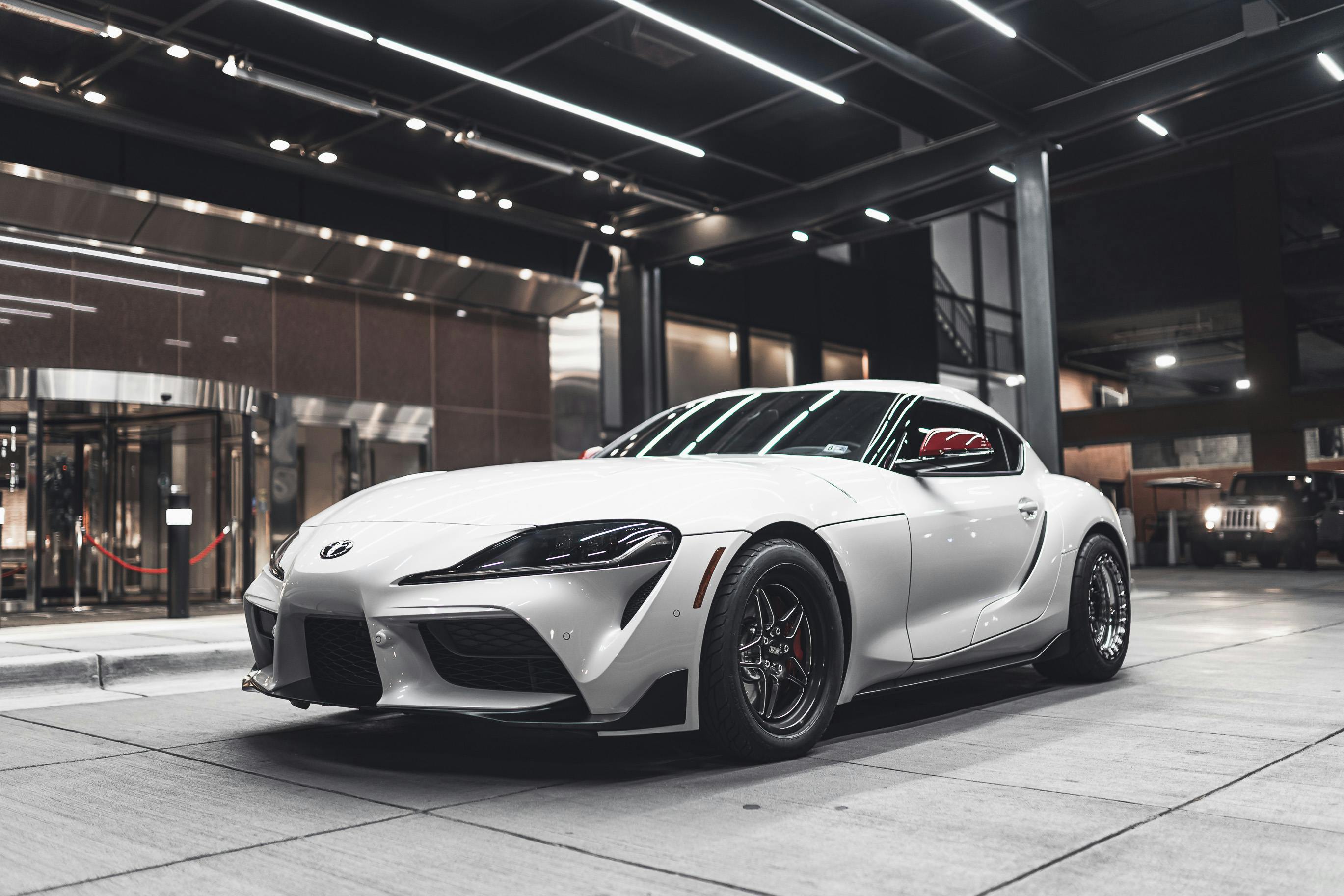
Kenya’s automotive market is functionally split between brand-new fleet buys and a sizable inflow of imports, predominantly used vehicles. Pickup trucks and light commercial vehicles (LCVs) maintain a significant share, fed by rural transport, construction projects, horticulture supply chains, and NGO/government use. Buyers increasingly weigh operating cost stability—fuel economy, service intervals, and parts availability—over top-end performance metrics.
Chinese-origin vehicles now benefit from improved perception and a tighter aftersales network. Three structural forces explain the momentum:
- Price-to-utility ratio: New Chinese pickups often land 20–40% below Japanese benchmarks, narrowing the gap on build quality and safety features.
- Fleet lifecycle rationalization: Counties and SMEs prefer predictable CAPEX and easier parts sourcing; local distributors have professionalized stocking and warranty handling.
- Policy and compliance: Standardized pre-shipment inspections and clearer rules on customs valuation reduce clearance uncertainty for new vehicles.
Put simply, for operators that measure ROI in payload capability, fuel cost, and uptime, T9’s configuration meets the Kenyan market’s pragmatic criteria.
II. Model Highlights: T9 Fit-for-Purpose Features
For Kenya’s mixed terrains and high-utilization duty cycles, T9’s core value lies in fuel discipline, structural durability, cabin practicality, and stable CIF pricing. The following specs align with local needs:
| Feature | Indicative Spec (2025) | Kenya Use Case | Value for Operators |
|---|---|---|---|
| Fuel Efficiency | Diesel, real-world ~8–10 L/100km (varies by load/terrain) | Long rural hauls; mixed city/off-road | Lower operating expenses; predictable fuel budgeting |
| Payload & Bed Utility | Payload ~900–1,000 kg; reinforced bed liner | Construction aggregates, farm produce, tools | Improved uptime; fewer re-load trips |
| Durability | Elevated ground clearance; tuned suspension; steel chassis | Corrugated roads, seasonal mud, light off-road | Reduced wear; extended service intervals |
| Price Discipline | $20,000–$26,000 CIF (Mombasa) | SME fleets, county procurement | Capex control; competitive total cost of ownership |
Cabin ergonomics, standard safety packages (ABS/EBD, airbags depending on trim), and straightforward parts interchangeability strengthen its practicality for teams rotating drivers and operating across county lines.
III. Price Analysis: CIF Range, Cost Elements, and Duty References
Transaction type: CIF export, wholesale. For deliveries to Mombasa Port, the target CIF band is $20,000–$26,000 depending on trim, engine specification, and shipping method (Ro-Ro vs. 40HC container). CIF typically comprises ex-factory price, inland trucking to port, export documentation, ocean freight, and marine insurance.
Indicative CIF structure (example):
- Ex-factory (Guangzhou): price varies by trim/spec.
- China domestic logistics: trucking to Nansha Port (Guangzhou) and export clearance.
- Ocean freight + insurance: line and season dependent; Ro-Ro often faster for pickups.
Kenya tax references on arrival at Mombasa (verify with KRA before shipment):
- Import Duty: commonly ~25% of customs value (often CIF basis).
- VAT: 16% applied on the taxable base (which may include duty and certain levies).
- Import Declaration Fee (IDF): typically ~3.5% of CIF.
- Railway Development Levy (RDL): typically ~2% of CIF.
- Excise Duty: may apply depending on vehicle classification, engine capacity, and cabin type; rates vary and should be confirmed per HS code and KRA guidance.
Illustrative calculation (non-binding, for planning only):
Assume CIF = $23,000. Import Duty (~25%) ≈ $5,750. If Excise Duty applies, estimate per KRA schedule (e.g., 20% as a planning placeholder; actual classification may differ). VAT (16%) computed on the taxable base inclusive of duty and excise. Add IDF (3.5% of CIF ≈ $805) and RDL (2% of CIF ≈ $460). The final landed cost will vary with classification, valuation, and any port/agency fees. Dealers should model scenarios with and without excise, then validate with a licensed Kenyan clearing agent to avoid surprises.
Wholesale buyers often negotiate trims and accessory bundles to manage CIF brackets and reduce post-landing duty exposure (e.g., avoiding optional items that reclassify the vehicle). Transparent spec sheets and HS code pre-confirmation are recommended.
IV. Logistics & Supply Chain: Guangzhou to Mombasa Port
Origin: Guangzhou, China. Typical flow:
- Specification lock and PI issuance: confirm trim, color, accessories, and HS code.
- Quality assurance and pre-shipment inspection: where applicable, obtain a Certificate of Conformity (COC) under KEBS PVOC programs via approved agencies.
- Domestic movement: truck units from Guangzhou plant/yard to Nansha Port.
- Export customs: file export declaration, ensure insurance coverage, finalize BL.
- Ocean freight: Ro-Ro (preferred for whole units) or 40HC container if parts or mixed cargo; carriers include COSCO, CMA CGM, Maersk, depending on weekly windows.
- Transit: direct sailings or transshipment via Singapore/Colombo; typical sea transit 25–35 days.
- Arrival at Mombasa Port: manifest reconciliation, port handling, customs valuation.
- Clearance and payment: settle duties, levies, and port charges via appointed clearing agent.
- Release and inland dispatch: delivery to Nairobi or regional hubs; coordinate PDI and handover.
Lead times are influenced by production slots, vessel schedules, and port congestion. For wholesale batches, consolidated bookings reduce per-unit freight costs and streamline inspection scheduling.
V. Cooperation Models & Recommendations
For dealers and fleet buyers, transactional structures aim to reduce working capital stress and ensure aftersales continuity:
- Wholesale CIF to Mombasa: batch orders of 6–20 units optimize freight and inspection fees.
- Payment Terms: TT (30% deposit, 70% against BL scan), or irrevocable LC at sight for larger volumes.
- Warranty & Spares: standardized warranty with spare parts starter kits; tech training for local workshops.
- Variant Strategy: prioritize diesel trims with robust suspension and protective bed liners; avoid optional cosmetics that inflate duty burdens.
- Risk Controls: pre-approve HS code, lock inspection protocols, and assign a reputable clearing agent upfront.
We invite distributors to visit our Guangzhou base for line walkthroughs, PDI process inspection, and contract finalization. Onsite evaluation shortens decision cycles and helps tailor specs to county tenders.
VI. Closing Note: Supply Chain Stability and Platform Credibility
China’s export ecosystem for pickups is now process-led: production planning, parts stocking, and forwarder alliances lower delay risk. JAC Motors T9 benefits from standardized documentation, repeatable QA, and predictable vessel bookings from South China hubs into Mombasa. For Kenyan operators, this translates to reliable delivery windows and transparent costings. Our platform adheres to disciplined trade practices—clear PI/CI, consistent communication cadences, and post-landing technical support coordination with your local partners.
VII. FAQs
- Q: What is the typical transit time Guangzhou–Mombasa? A: About 25–35 days at sea, plus clearance time depending on port load and document readiness.
- Q: Can we order mixed trims within one batch? A: Yes; mixed trims are possible, though uniform specs usually secure better freight and inspection efficiencies.
- Q: How do we manage duties if classification is uncertain? A: Pre-validate HS code with your clearing agent and request written guidance; align spec sheets and BL descriptions to that code.
- Q: Is Ro-Ro always cheaper than containers? A: For complete vehicles, Ro-Ro is often cost-effective and operationally simpler; containers may be preferable for parts or mixed cargo.
- Q: What aftersales support is available? A: We arrange parts kits and training sessions; long-term support is coordinated with authorized local service partners.
Contact us or visit our Guangzhou export base.
For more information, you can contact us. jiasou666@gmail.com
相关文章