Geely Emgrand 2024 — China Market Analysis and Shanghai CIF Export Reference
中文译名:吉利帝豪2024
The Geely Emgrand 2024 sits squarely in China’s value sedan segment where demand is shaped by pragmatic fleet renewal, regional mobility needs beyond Tier-1 cores, and post-2023 budget discipline among corporate buyers. While battery-electric penetration is rising in coastal metros, ICE compact sedans sustain healthy volumes in ride-hailing, government-adjacent procurement, and private users who prioritize predictable TCO and easy service access. In this context, the Emgrand offers a conservative specification profile, disciplined fuel consumption, and stable residuals—qualities that still convert in cities encircling Shanghai and in inland corridors where price-to-value has sharper edges than cutting-edge tech. The practical question operators ask is not “Is it the flashiest?” but “Can it run 300,000 km with routine maintenance at a controllable cost?” That is where the Emgrand’s proposition in 2024 aligns with China’s demand curve.
Market Overview: China’s Local Characteristics and Import Trajectory
China’s passenger car demand bifurcates: premium import brands dominate aspirational niches in Tier-1 urban clusters, while domestic brands capture most volume in Tier-2/3/4 cities and fleet contracts. Import trends, although structurally significant for luxury and performance segments, are not the primary axis for compact sedans that compete on operational economics. Shanghai functions as a logistics and finance hub more than a demand origin for this class; buyers frequently stage vehicles through Shanghai’s ecosystems—bonded warehousing, coastal feeder links, and regional distribution—even when final sales occur in neighboring provinces. As import tariffs are generally irrelevant for a PRC-origin vehicle entering Shanghai from Guangzhou, operators focus on domestic tax exposure, license policy, and lead-time reliability. Policy-wise, ICE licensing in Shanghai requires careful planning (local plate constraints and auction dynamics) but many fleet deployments register in adjacent jurisdictions, using Shanghai for consolidation, PDI, and dispatch.
Another structural trend: fleet buyers increasingly mix ICE sedans with cost-conscious hybrid or BEV units to balance capex and charging availability. In suburban and intercity operation where charging infrastructure density is uneven, an ICE sedan like Emgrand secures uptime without infrastructure dependencies. The purchasing logic is therefore granular—one district’s fleet spreadsheet may prefer a durable ICE base while central city routes tilt toward NEV-only. This is less a binary shift than a portfolio management strategy, and it sustains steady lanes for Emgrand-class sedans.
Model Highlights: Adapted for China’s Operating Realities
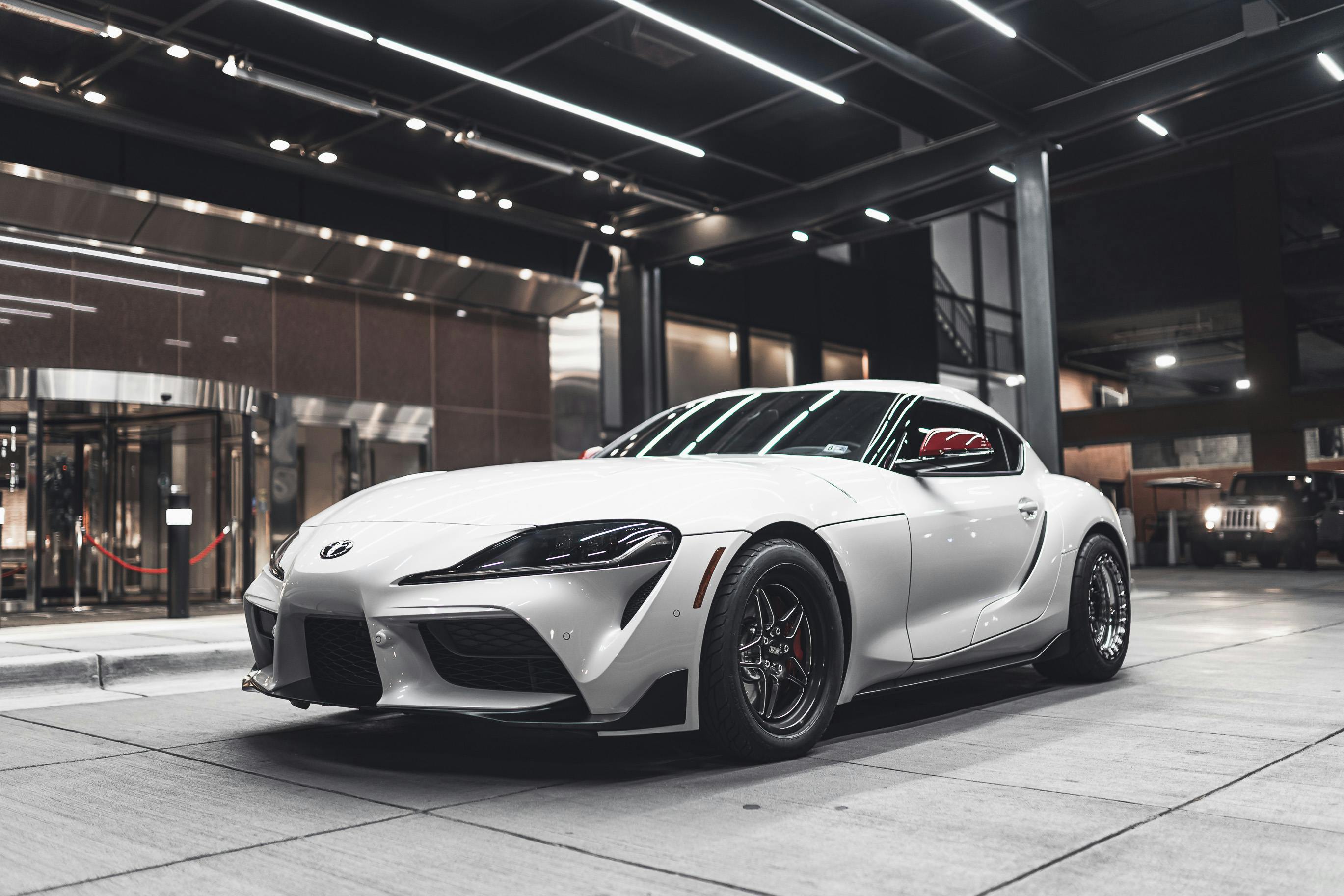
Key features reflect dependable performance rather than headline specs. In mixed urban-suburban use, Emgrand’s efficiency, cabin simplicity, and service network breadth anchor its suitability for corporate and fleet buyers.
| Feature | Specification (indicative) | Local Relevance |
|---|---|---|
| Fuel Efficiency | Approx. 5.8–6.2 L/100 km (typical for 1.5L ICE sedan, variant-dependent) | Controls OPEX for ride-hailing and intercity duty cycles |
| Space & Practicality | Compact cabin with usable rear legroom; boot ~500 L class | Balances daily fleet utility and private user needs |
| Price Discipline | $8,000–$10,000 CIF to Shanghai (factory export reference) | Enables competitive leasing and amortization models |
| Durability | Proven fleet reliability; standardized powertrain parts | Predictable maintenance schedules and parts availability |
While precise specifications vary by trim and regional homologation, the operating logic is consistent: reduce variability and keep the cost structure transparent. For B2B buyers, consistency often outperforms novelty.
Price Analysis: $8,000–$10,000 CIF Reference, Cost Components, and Tax Considerations
The quoted $8,000–$10,000 CIF range to Shanghai represents a consolidated price notion for international buyers or domestic resellers who standardize on CIF for comparability. CIF typically includes cost, insurance, and freight to the named port. For movement from Guangzhou to Shanghai—both inside China—the construct can still be used as an operational benchmark when coastal feeder services and coverage are arranged via maritime insurance.
Illustrative cost layering (actual quotes vary by season, carrier, and volume):
- Ex-works (factory) price reference: aligned to volume bracket and trim; negotiated for B2B programs.
- Domestic handling and documentation: pre-delivery inspection (PDI), yard handling, port-to-port booking.
- Freight and marine insurance: coastal feeder or Ro-Ro where available; premium sensitive to seasonality and declared value.
- Port charges: terminal handling, storage buffers if needed, and customs interaction (for bonded moves or re-export staging).
Tariff and tax notes:
- Import tariffs: non-applicable when origin and destination are both within PRC for domestic distribution.
- VAT exposure: PRC VAT on vehicle sales is generally 13% (policy may update; confirm at purchasing date).
- Vehicle purchase tax: commonly 10% for ICE passenger vehicles, calculated per statutory basis; exemptions and reductions exist for specific NEV categories but not typically for ICE sedans like Emgrand.
- If the unit is staged at Shanghai FTZ for onward international export, import duty into PRC remains avoided, and downstream tariffs apply in the final destination market as per that country’s schedule.
For decision-makers comparing CIF to alternative incoterms: FOB Guangzhou can be used if the buyer prefers to control freight and insurance; EXW suits buyers with full control over inland pick-up; DDP variants are rare for multi-province programs due to tax optimization constraints. In practice, factory export with CIF to Shanghai simplifies budgeting for resellers consolidating inventory ahead of regional distribution.
Logistics and Supply Chain: From Guangzhou to Shanghai
Process discipline is the backbone of predictable lead-times. The mainstream flow follows a standardized chain designed for scale:
- Order confirmation and scheduling: batch allocation against factory slots; option codes locked 14–21 days before VIN assignment for larger orders.
- PDI and quality gates: exterior and interior checks, basic road test cycles, and functional validation to reduce early-life claims; digital records attached to each VIN.
- Domestic dispatch from Guangzhou: truck convoy to port stacks or direct rail to maritime terminal; mode decision considers congestion, cost, and required ETA.
- Sea leg to Shanghai: coastal feeder service (South China Sea to East China Sea) with typical sailing 3–5 days; Ro-Ro used when berth windows align, otherwise containerization with racking for sedans.
- Shanghai terminal: unloading, terminal handling, short-term storage buffer, and transfer to bonded or non-bonded areas per buyer instruction.
- Inspection and handover: optional local PDI, accessory fitment, and plate registration support for buyers registering in nearby jurisdictions.
Cycle time summary for planning: 7–10 days handling and documentation; 3–5 days transit; buffers for holidays, typhoons, and berth congestion. The objective is not speed alone but variance control: predictable delivery windows minimize fleet downtime costs and financing friction.
Cooperation Model and Recommendations
Engagement mode: factory export, geared for B2B. Typical structures:
- MOQ: negotiated per trim and color; mixed configurations allowed within a lot to match deployment plans.
- Payment terms: T/T with deposit on order and balance against shipping docs; L/C considered for large, recurring programs.
- Warranty and parts support: standard national warranty; parts pooling achievable for fleets with centralized maintenance. Training modules available for service technicians.
- Data and reporting: VIN-level PDI reports, delivery window dashboards, and incident logging for continuous improvement.
Recommendation: dealers and fleet operators should visit the Guangzhou export base to review PDI workflows and verify yard capacity during peak quarters. Joint schedule reviews reduce rollover risks and support contract SLAs. Where license policies complicate Shanghai registrations, consider plate strategies in neighboring cities with operational routes tied back to Shanghai’s logistics convenience.
Conclusion: Stable Chinese Supply Chain and Platform Credibility
China’s automotive supply chain has matured into an orchestration of precision rather than brute capacity. For compact ICE sedans, the differentiator is variance control—consistent build, orderly delivery, and transparent after-sales mechanics. The Geely Emgrand 2024 fits that programmatic approach: balanced costs, understood service pathways, and sufficient comfort for daily use. In B2B transactions, credibility is proven in repeatability; the platform’s disciplined factory export logistics from Guangzhou to Shanghai, documented PDI, and agile distribution configurations demonstrate reliability more than slogans.
Contact us or visit our Guangzhou export base.
FAQs
- Q: Can we mix trims in a single factory export lot?A: Yes. Mixed trims and colors can be consolidated, subject to production window alignment and PDI capacity.
- Q: What is the typical lead time to Shanghai?A: Plan for 10–15 days end-to-end under normal conditions (handling plus transit), with buffers added for peak seasons.
- Q: Are import tariffs applicable when moving Emgrand from Guangzhou to Shanghai?A: No. This is domestic movement inside PRC. VAT and vehicle purchase tax policies apply per domestic sale rules.
- Q: How does CIF compare to FOB for this route?A: CIF standardizes freight and insurance under the seller’s arrangement to Shanghai; FOB gives buyers control over these elements. CIF is often preferred for budgeting clarity in consolidated programs.
- Q: Can we stage units in Shanghai for re-export?A: Yes. Bonded warehousing and FTZ processes are available. Downstream tariffs depend on the final destination country’s regime.
For more information, you can contact us. jiasou666@gmail.com
相关文章